
Illness, allergies and immunisation rules at Perth child care centres
By Farah Vogel · Updated 2026-07-13
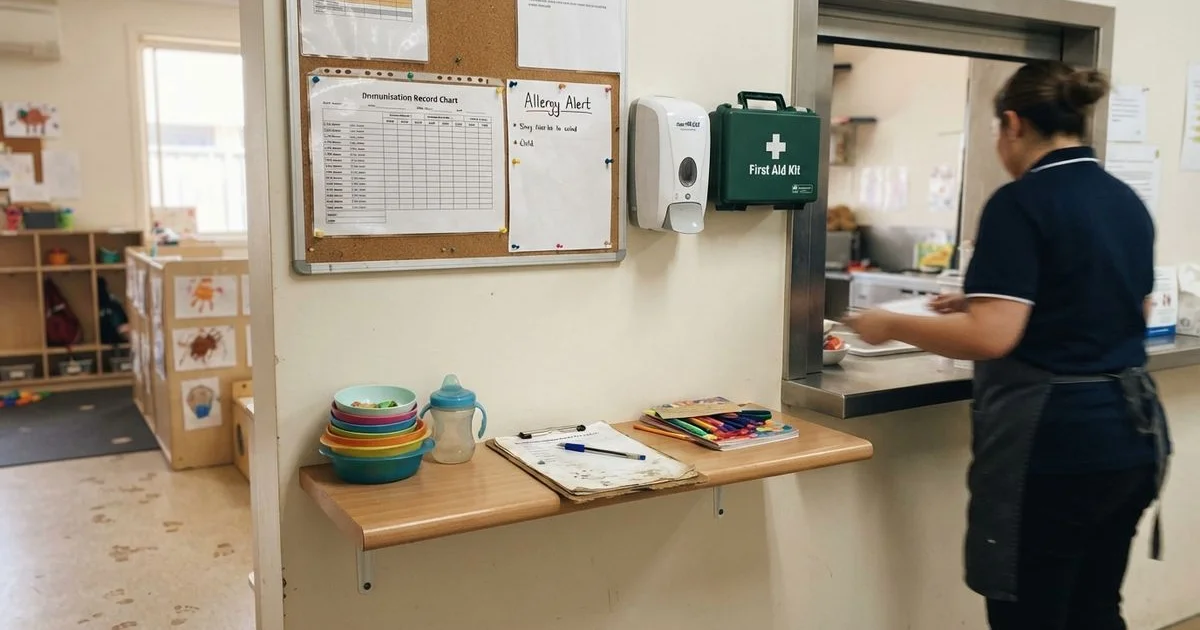
Illness, allergy and immunisation policies are some of the least glamorous parts of choosing child care, but they matter for keeping your child, and every other child in the room, safe. Here is what to expect and what to ask.
This is general information, not medical advice. Talk to your GP or the service’s health guidance for anything specific to your child’s situation.
How illness exclusion typically works
Most Perth services follow standard exclusion periods for common childhood illnesses such as gastro, conjunctivitis, hand foot and mouth, and certain rashes, generally based on public health guidance rather than each centre making its own call. In practice, this means staff are trained to spot symptoms at drop-off and during the day, and you should expect a call to collect your child if they become unwell, even if they seemed fine that morning. Ask a provider directly what their exclusion policy covers and how they communicate it, since the specifics of implementation can still vary.
| Situation | What to typically expect |
|---|---|
| Common infectious illness (gastro, conjunctivitis) | Standard exclusion period before your child can return |
| Diagnosed allergy | Written action plan requested, staff trained to respond |
| Immunisation status | Affects Child Care Subsidy eligibility; confirm specific enrolment requirements with the service |
| Ongoing medical condition | Individual health plan developed with your input |
Allergy management
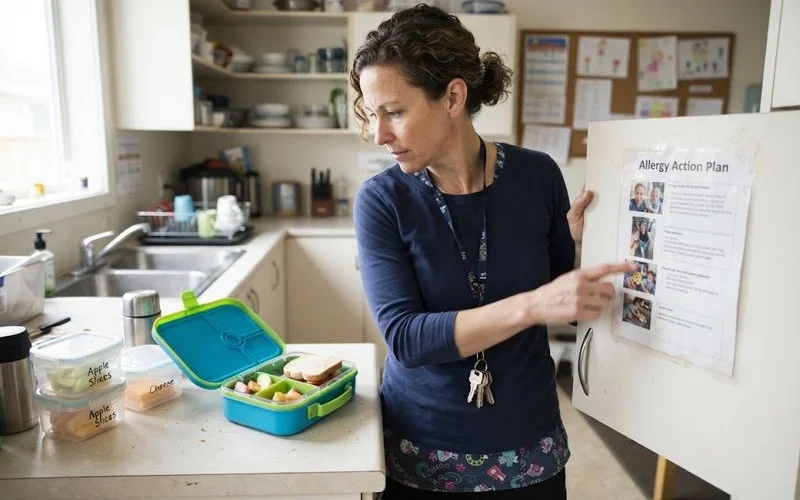
If your child has a diagnosed food or environmental allergy, ask specifically how a service manages it: do they request a written action plan from your GP or specialist, how do they train staff to recognise and respond to a reaction, and how do they communicate allergy information to casual or relief staff who may not know your child as well. A service that handles this well should be able to answer these questions in detail, not just reassure you generally.
Immunisation and the subsidy link
Under the federal No Jab, No Pay policy, a family’s immunisation status affects Child Care Subsidy eligibility, alongside any specific enrolment requirements an individual provider sets. If your child has a medical exemption or you have questions about how this applies to your family, this is worth confirming directly with the service and with Services Australia rather than relying on general information, since individual circumstances vary.
Questions worth asking before enrolling
- What is your illness exclusion policy, and how do you communicate it to families?
- How do you manage a child with a diagnosed allergy or ongoing medical condition?
- What happens if my child needs medication administered during the day?
- How quickly are families notified if there is an outbreak of something contagious in the centre?
The reality of a new immune system meeting group care
It is common, and normal, for a child new to group care to catch more colds and minor illnesses in the first few months than they did at home. This is a genuine adjustment period as your child’s immune system encounters a wider range of common bugs than it would in a smaller household setting, not a sign that a centre is poorly run or unhygienic. Most families find the frequency settles down over the following months. Knowing this in advance can make the first term feel less alarming when it happens.
Practical steps that help at home
Simple habits at home support whatever a centre is already doing: keeping your child’s vaccination record current and shared with the service if requested, sending them with a spare set of clothes and any medication clearly labelled, and being upfront with staff about any symptoms you noticed that morning even if they seem minor. A service can only manage illness and allergy risk well if it has accurate, current information from you, so treat this as a two-way responsibility rather than something the centre alone is accountable for.
Keeping it in perspective
Illness and allergy policies exist to protect every child at a service, including yours, even when an exclusion feels inconvenient in the moment. A provider that takes these policies seriously and communicates clearly is generally a good sign of how carefully they handle other aspects of your child’s care day to day. Sun exposure and outdoor play are the other big day-to-day health consideration worth checking on; our guide on sun safety and outdoor play at Perth child care centres covers what to look for there. See our methodology for how we weigh communication and safety signals when scoring child care providers in Perth.
Questions people ask
- Can a centre refuse to enrol a child who is not fully immunised?
- Immunisation status affects a family's eligibility for the Child Care Subsidy under the federal No Jab, No Pay policy, and individual services may also have their own enrolment requirements. Confirm a specific service's policy and any exemption process directly with them.
- How strict are illness exclusion rules in practice?
- Most services follow standard public health exclusion periods for common illnesses like gastro, conjunctivitis and certain rashes, and staff are generally trained to spot symptoms at drop-off. Expect to be called to collect a child who becomes unwell during the day, even if they seemed fine that morning.
- How do centres manage a child with a severe allergy?
- A reputable service will ask for a written action plan from your GP or specialist, train relevant staff on recognising and responding to a reaction, and display or reference the plan somewhere staff can access it quickly. Ask to see how this actually works before enrolling if your child has a diagnosed allergy.
- What if I disagree with a centre's decision to exclude my child?
- Exclusion periods for infectious illness are generally based on public health guidance rather than a centre's personal judgement, so most services have limited flexibility here. If you think a specific decision was applied incorrectly, raise it directly with the nominated supervisor or director.