
What child care costs in Perth and what actually changes the price
By Farah Vogel · Updated 2026-06-03
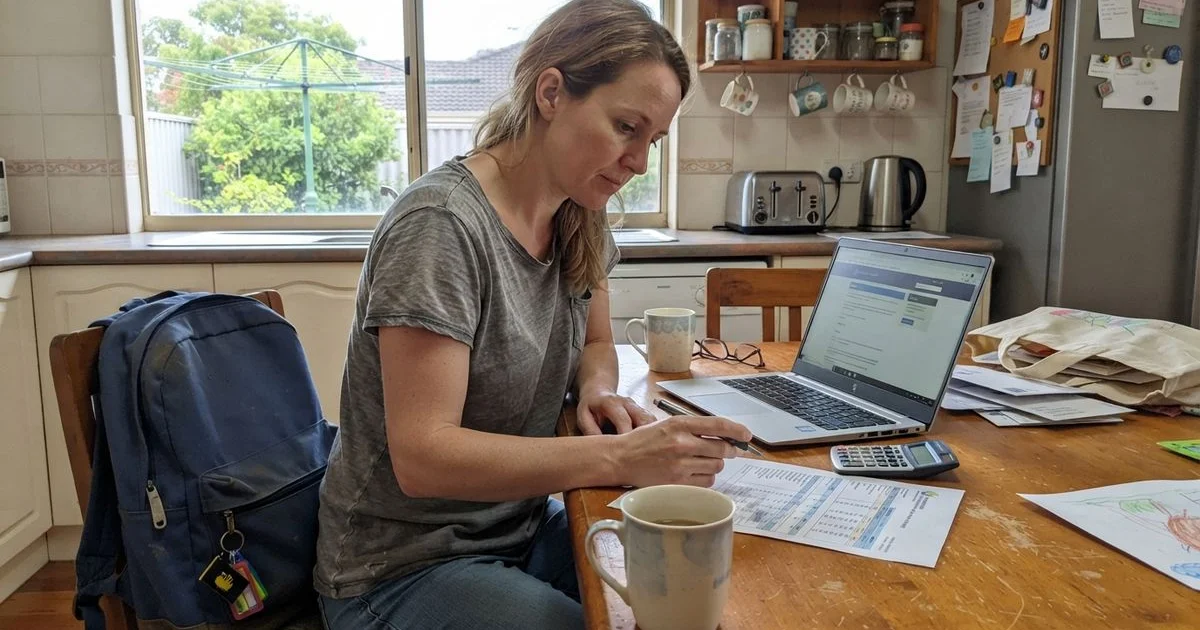
Ask five Perth families what they pay for child care and you will get five different answers, even within the same suburb. Fees are set by each provider individually, and they move with the type of care, the age of your child, and what is bundled into the daily rate. This guide sets out realistic ranges and the specific factors that push a quote up or down, so you can compare providers on the same terms.
Typical weekly ranges before subsidy
Prices vary by provider, but a few patterns hold across Perth Metropolitan. Long day care centres tend to sit at the higher end of the daily-fee scale, since they run full-day programs with cooked meals, larger facilities and a broader staff roster. Family day care, run from an educator’s home, usually comes in lower because overheads are smaller. Kindergarten and preschool programs, especially government-run sessional ones, often cost less per hour than full-day care because sessions are shorter. Before and after school care is priced per session rather than per day, which makes it the lowest single-booking cost even though it adds up over a full term.
| Care type | Typical basis | Where it usually sits relative to others |
|---|---|---|
| Long day care centre | Full day, 7am-6pm | Highest daily rate, meals included |
| Family day care | Full day, in an educator’s home | Below centre-based care |
| Kindergarten/preschool | Sessional, term-time | Lower per session, shorter hours |
| Before/after school care (OSHC) | Per session | Lowest single booking, adds up weekly |
| Nanny or babysitter | Per hour or per day | Highest per-hour cost |
These are relative patterns, not fixed numbers. Two providers of the same type can still differ by a meaningful margin depending on the factors below.
What actually changes the price
Age of your child. Infant rooms cost more to run because regulations require a lower educator-to-child ratio for babies and toddlers than for kindergarten-age children. A centre generally passes that extra staffing cost through in the infant room’s daily fee, so expect the same centre to charge more for a one-year-old than a four-year-old.
Days and hours needed. Casual or occasional bookings almost always carry a higher rate per day than a permanent, ongoing place. Some providers also charge a loading for early drop-off or late pick-up outside standard operating hours.
What is bundled in. Check whether nappies, sunscreen, hats, excursions and meals are included or charged separately. A lower headline fee can end up costing more once you add the extras a competitor already bundles.
Location. Centres in the CBD and inner suburbs generally carry higher rent and wage costs than those further out, and that flows into the daily fee.
Staff-to-child ratios and qualifications. A service that runs tighter ratios than the regulatory minimum, or employs more diploma-qualified and degree-qualified educators than required, typically charges more to cover that extra wage cost.
The subsidy changes the real number
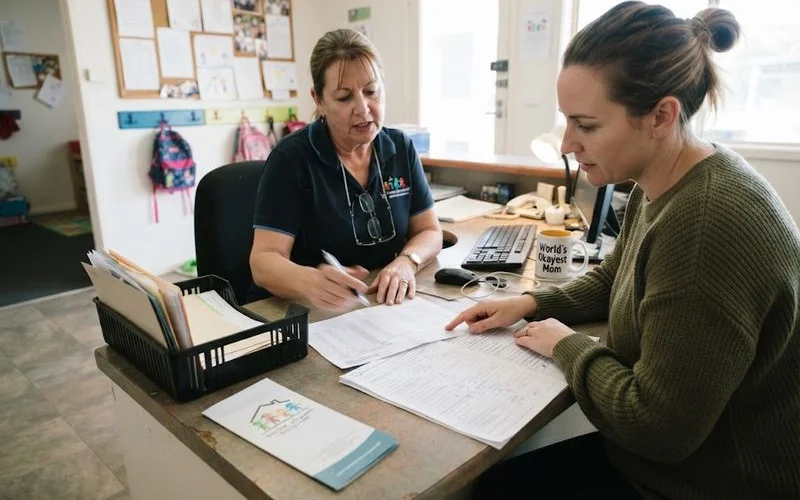
The Child Care Subsidy reduces what most families actually pay against an approved service’s fees, and the reduction depends on income, activity hours and the type of care. Because of this, comparing two providers on their gross fee alone can be misleading: a centre charging a higher headline rate might still leave you with a similar or lower out-of-pocket cost once the subsidy is applied, depending on your family’s circumstances. It is worth asking each provider for their fee alongside an estimate of your likely CCS percentage before ruling anything out on price.
Questions worth asking before you enrol
A conversation with the centre director or family day care educator, before you commit, usually reveals more than the published rate card:
- What is included in the daily fee, and what is charged as an extra?
- Is there a different rate for casual versus permanent bookings?
- Does the fee change once my child moves rooms (for example, from toddler to kindergarten age)?
- Are there enrolment, waitlist or bond fees on top of the weekly rate?
- How often do fees increase, and how much notice do families get?
Getting these answers in writing before you sign an enrolment form avoids surprises on your first invoice.
Comparing value, not just price
The cheapest option on paper is not automatically the best fit. A family day care place might suit a family that wants a smaller, home-like setting regardless of price, while a centre with a chef and dedicated language program might be worth the premium for another family. Once you have realistic numbers for the providers you are considering, weigh them against reported quality signals, not the fee alone.
Our methodology explains exactly how we score providers on rating, review volume, recency and sentiment, which is a useful cross-check once you have a shortlist based on price.
If a nanny or babysitter is also on your shortlist, our nanny and babysitter cost guide breaks down what drives that price separately, since it does not move the same way centre-based fees do.
Questions people ask
- Is the advertised daily fee what I will actually pay?
- Rarely. Most Perth families have the Child Care Subsidy applied against the gross fee, so the number you see on a centre's website or in a tour pack is a starting point, not your out-of-pocket cost. Ask any provider to walk you through a sample invoice before enrolling.
- Why do two centres five minutes apart charge such different fees?
- Suburb and building costs matter, but so does what is bundled in: nappies, sunscreen, excursions, and meals cooked on-site versus catered in bulk all move the daily rate. A centre with a chef and small ratios in the infant room will usually cost more than one running larger groups with a simpler kitchen setup.
- Does a higher fee mean better quality?
- Not reliably. Price tracks with location, staffing ratios and inclusions more than with the day-to-day care your child receives. A service's National Quality Standard rating and how parents describe staff consistency are better quality signals than the fee alone.
- Are family day care and nanny care cheaper than a centre?
- Family day care is usually priced below a long day care centre because there is no large building or big staff roster to cover. A nanny or babysitter is typically the most expensive option per hour, since you are paying for one-on-one attention rather than a shared educator-to-child ratio.